
Plan
How Much Does a Walking Safari Cost?
Walking safaris cover a wide range of prices, from a state-run trail in South Africa to a remote fly camp in Zambia. Here is what drives the cost and what to budget.
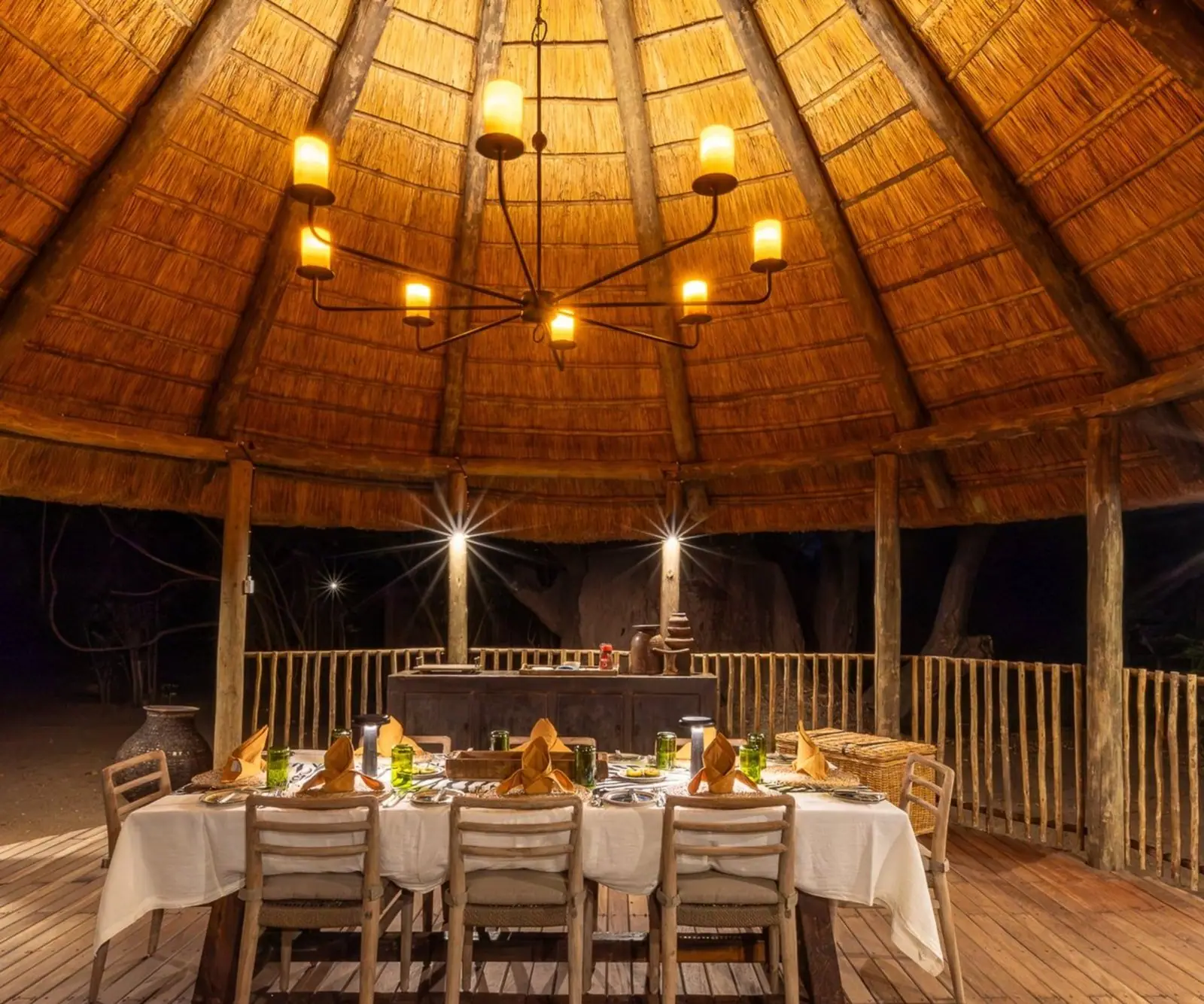 Photo: The Bushcamp Company
How walking safari pricing works
Almost every walking camp in Africa sells its rooms on a fully inclusive basis. You pay one rate per person per night, and it covers the essentials: your room, meals, most drinks, laundry, and the day's activities. At a Walking Camp, that means a guided walk in the morning and a game drive in the afternoon, usually with a night drive where the park allows it.
Rates are almost always quoted per person sharing. A single traveler usually pays a supplement, often 30 to 50 percent of the nightly rate, though many camps waive it in the low season.
Ask exactly what the rate includes. The main variables are:
- Park and conservation fees. Many camps include them; some add them as a separate per-person, per-day charge.
- Transfers. Road or air transfers between the airstrip and camp are sometimes included and sometimes extra.
- Drinks. Most rates include local drinks; premium wines and spirits are often extra.
- Gratuities. Tips for guides, scouts and camp staff are not usually included.
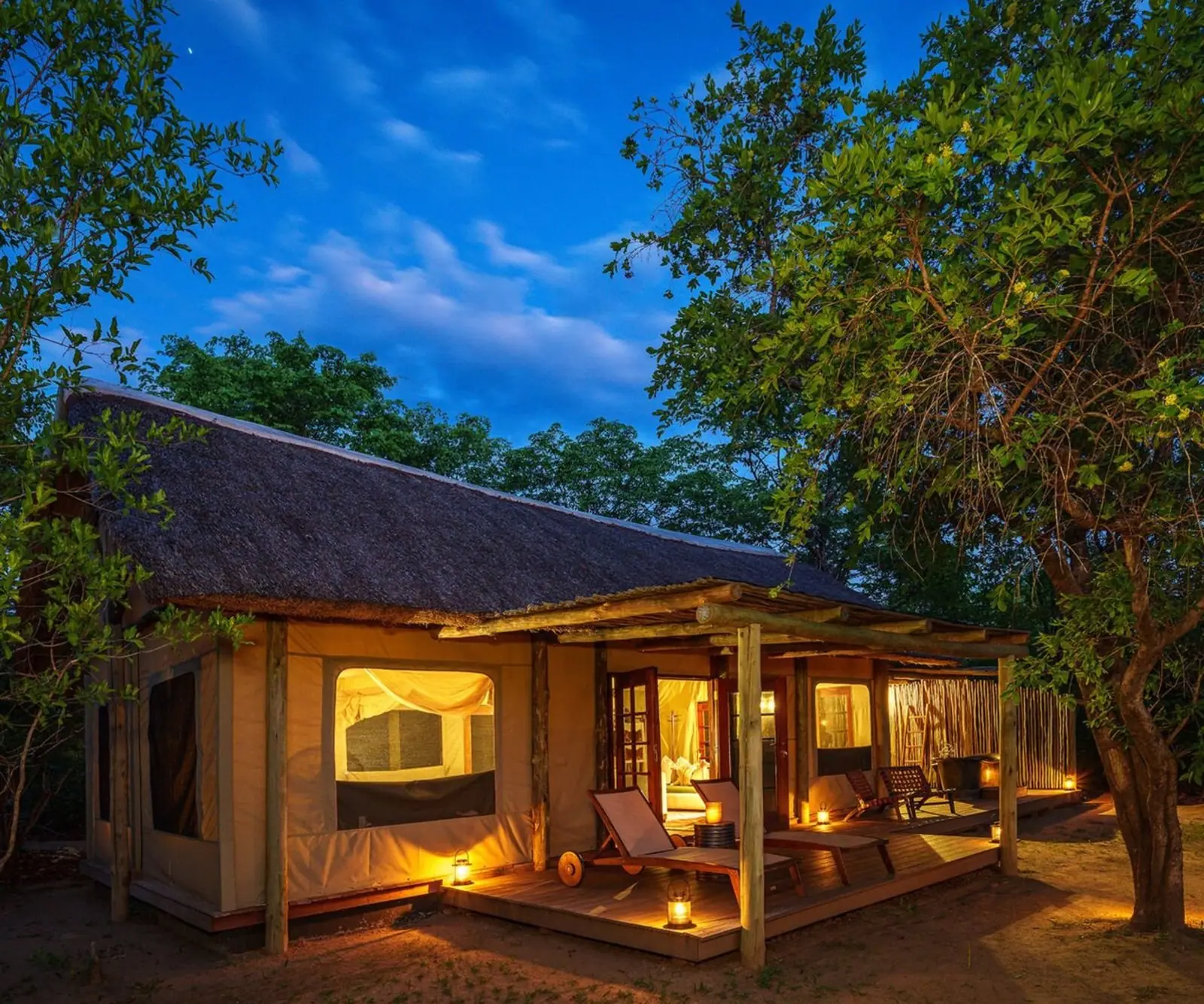 Photo: The Bushcamp Company
What it costs, by park
Prices vary by camp and season, and they change every year. The ranges below are a starting point for budgeting, not quotes.
South Luangwa, Zambia. Small seasonal bushcamps, where a morning walk with a licensed guide and an armed scout is part of the daily rhythm, typically run from about US$700 to US$1,200 per person per night in the dry season on a fully inclusive basis, with lower rates in the early and late shoulder weeks [1]. Larger lodges near the park gateway can cost less; private villas and exclusive-use camps cost more.
Mana Pools, Zimbabwe. Mana Pools spans the widest range of any major walking park. Simpler seasonal camps start at roughly US$400 to US$600 per person per night, mid-range camps run about US$600 to US$800, and premium and luxury camps range from about US$900 to well over US$2,000 [2].
Greater Kruger, South Africa. South Africa offers both ends of the scale. The state-run SANParks wilderness trails, three nights on foot with two trails rangers, are among the best-value walking experiences in Africa. Private walking-focused camps in the reserves bordering Kruger are priced like other premium safari lodges, and a short guided walk from a conventional lodge typically adds US$50 to US$150 per person [3]. Check the current SANParks tariff for the trails before you plan, as rates change each year.
Tanzania, Kenya and Botswana. Walking in these countries is mostly offered from private camps in remote parks, conservancies and concessions, and prices sit at the upper end of the safari market. Remote parks such as Ruaha and Katavi also add the cost of light-aircraft flights.
What makes one walking safari cost more than another
- Season. The peak dry-season months, usually August to October in southern Africa, are the most expensive. The early and late weeks of the season can be markedly cheaper [1].
- Remoteness. Camps that can only be reached by light aircraft, or that need supplies trucked in over long distances, cost more to run.
- Size. A four-tent bushcamp spreads its fixed costs over very few guests.
- Private guiding and exclusive use. Booking a private guide and vehicle, or an entire camp, adds substantially to the cost, but it can make sense for families and small groups.
- Format. A full Walking Expedition, with porters and a camp that moves with you, has different costs from a fixed Walking Camp.
The costs people forget
- International flights to the region.
- Regional and light-aircraft flights into the park, which can be a significant part of the total.
- Visas, which vary by nationality and country.
- Travel insurance with emergency evacuation cover, which is essential for a remote walking safari.
- Gratuities for guides, scouts and staff.
- Clothing and gear, especially broken-in walking shoes and earth-toned clothing.
How to get good value
- Travel in the shoulder season. The early and late weeks of the dry season often bring lower rates, and walking is still excellent.
- Stay longer in fewer camps. Three or four nights at each camp cuts down on transfer costs and gives you more time on foot.
- Combine a camp with a lodge. Pairing a remote bushcamp with a night or two at a larger gateway lodge can lower the average nightly cost.
- Look at state-run trails. Where they exist, as in Kruger, they offer real wilderness walking at a fraction of private-camp prices.
- Book early. The best walking camps are small and fill up a year or more ahead for peak season.
- Use a specialist travel advisor. Advisors who know the region can often secure better rates, package deals and transfer savings than you would find booking each camp yourself.
Sources
- Siyabona Africa, Zungulila Bushcamp rates, South Luangwa (2026) — https://www.siyabona.com/pricing-walking-safari-south-luangwa-zungulila-camp.html
- SafariFind, Zimbabwe safari packages 2026: Hwange vs Mana Pools pricing — https://safarifind.com/blog/zimbabwe-safari-packages-2026-hwange-vs-mana-pools-pricing
- SafariFind, Kruger walking safari packages and permits (2027) — https://safarifind.com/blog/kruger-walking-safari-packages-2027-prices-and-permits
Spotted an error? Tell us. How we classify camps: our methodology.