
Plan
Which Walking Safari Is Right for You?
The best walking safari is the one that fits how you want to travel, and the answer changes with who you are.
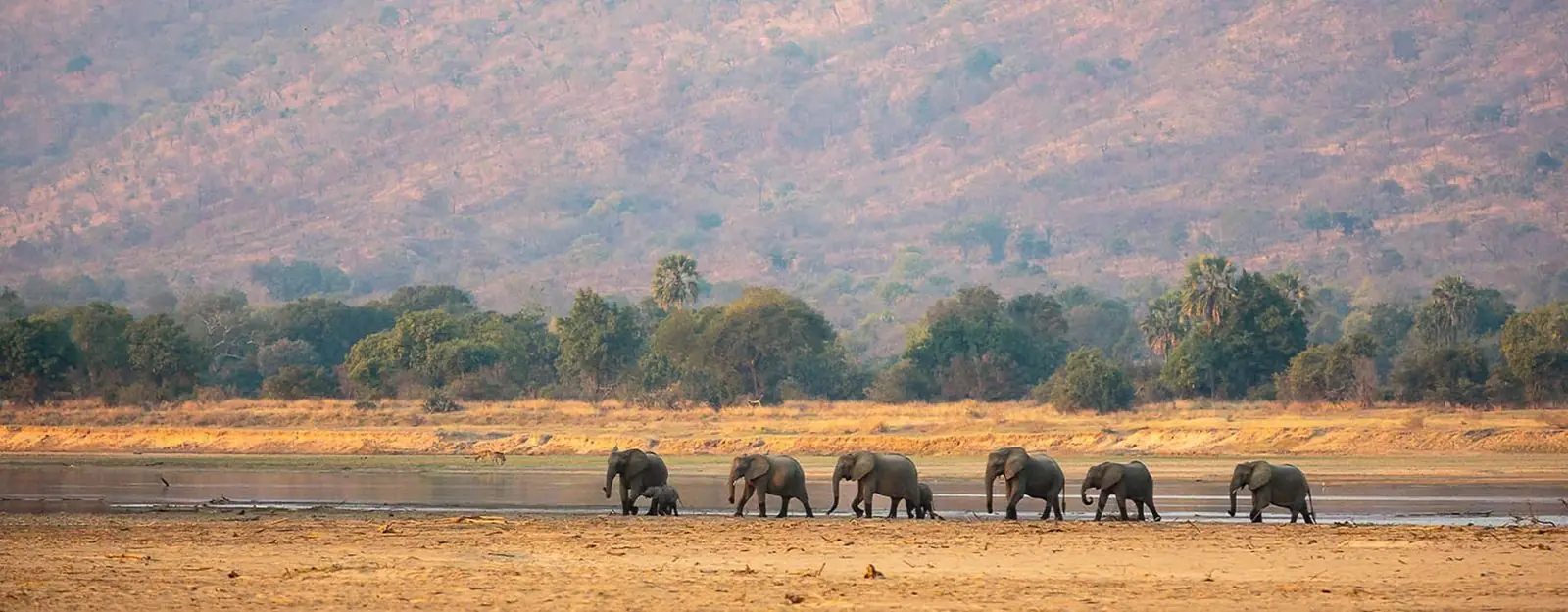 Photo: The Bushcamp Company
Ask which walking safari is best and you will get as many answers as there are operators. A more useful question is which one is best for you. A couple on their first trip to Africa, a family with teenagers and a seasoned hiker who wants to cover 20 km a day need very different things.
This guide matches six kinds of traveler to the format and parks that suit them, and is straight about where each destination wins.
First-timers
For a first walking safari, choose a Walking Camp. You can walk every morning and still take a game drive in the afternoon, so you never have to choose between the intimacy of being on foot and the reach of a vehicle. A typical walk covers 3 to 5 km over three to four hours, often ends at a vehicle, and has you back in camp by lunch.
South Luangwa in Zambia is the natural place to start. It has more Walking Camps than any other park we have assessed, and walking and driving are treated as equals there. A licensed guide and an armed government scout go on every walk in the park, and night drives are permitted. The walking season runs roughly June to October.
Within South Luangwa, The Bushcamp Company is one strong option. It is the largest operator in the park, with six small seasonal bushcamps in an exclusive 140,000-acre area in the south of the park, plus Mfuwe Lodge and The Villas at KuKaya. Walks can be arranged at all eight properties, though most walking is done from the six bushcamps. For guests who want more walking, a fully walked circuit between the southern bushcamps runs on request. Time + Tide, Robin Pope Safaris and Remote Africa also run Walking Camps in the park, and our camp directory lists them all on the same criteria.
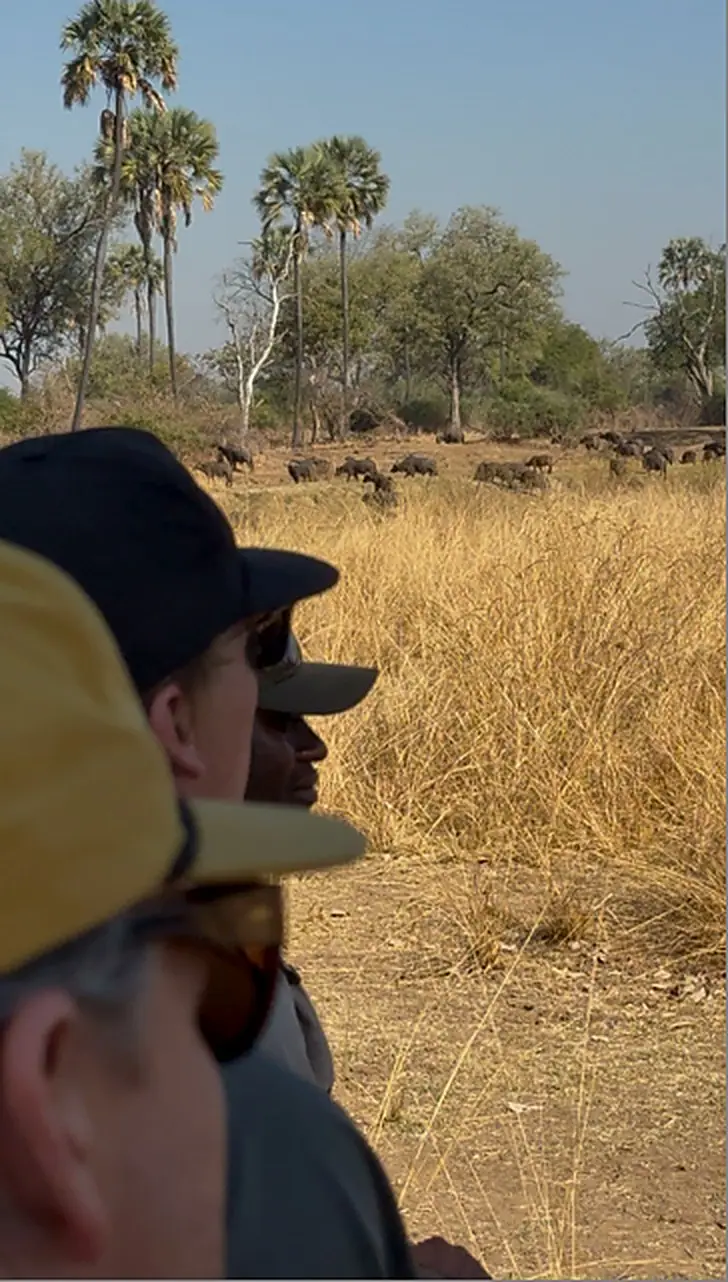 Photo: The Bushcamp Company
Couples
Couples tend to want two things that pull in different directions: time alone and a sense of adventure. A small Walking Camp offers both. Many South Luangwa bushcamps take only six to eight guests, so walks are small, and the afternoon drive can end with a sundowner that a long walk cannot carry.
South Luangwa suits couples for the same reasons it suits first-timers. Mana Pools is an excellent alternative, particularly for couples who have been on safari before and want to spend more of their time on foot. Its camps walk across open floodplain woodland where sightlines are unusually good.
Families with teenagers
Walking safaris can be a remarkable shared experience for families with older children, but age limits come first. The minimum age for walking is set by operator policy, not by law in most places, and it is usually 16. A few camps accept younger walkers. In Zambia's national parks, DNPW sets the minimum at 12, though camps may set a higher limit. Some Mana Pools camps set lower limits, and Kruger's SANParks wilderness trails take walkers aged 12 to 65.
For families with teens of walking age, a Walking Camp is usually the best fit, because it lets each family member choose a walk or a drive each day. South Luangwa works well. Ask each camp about its minimum walking age before you book, and ask whether younger children can join drives while older ones walk.
Serious walkers
If you want to walk all day, a Walking Camp's single morning walk will feel short. Choose a Walking Expedition.
- Robin Pope Safaris' mobile walking safari in South Luangwa walks twice a day, from 3 to 10 km each time, with the camp moved ahead while you walk. It runs on set departures in the dry season, for groups of up to six.
- Kruger's SANParks wilderness trails run for three nights, with a long morning walk and a shorter afternoon walk, covering up to 20 km a day.*
- Kruger's private trail camps, such as Pafuri Walking Trails and Simbavati Trails Camp, offer two walks a day for groups of up to eight.
- North Luangwa's Mwaleshi is a walking-only camp in a remote park with very few visitors.
- Mana Pools' Chitake Spring is rugged, intense walking country, best suited to experienced walkers.
On this measure, Kruger has more walking-only camps than South Luangwa, and its trails deliver more walking per day than a Walking Camp.
Budget travelers
The most affordable serious walking in Africa is on Kruger's SANParks wilderness trails.* They are priced well below any South Luangwa bushcamp. In return, you get simpler accommodation: huts with communal ablutions at six of the seven trails, fixed Wednesday and Sunday departures, and no game drives or night drives. Kruger's private trail camps also generally cost less than Walking Camps in South Luangwa or Mana Pools. For walkers who care most about time on foot, that is a fair trade.
Photographers
Photographers should think about light and cover.
- Mana Pools is the strongest choice for photography on foot. The open floodplain woodland of Ana trees along the Zambezi gives walkers unusually clear sightlines. Peak season runs August to October, when wildlife concentrates on the floodplain.
- South Luangwa adds night drives inside the park, and some camps there offer hides. A Walking Camp lets you walk at dawn and photograph from a vehicle into the evening.
Wherever you go, ask whether you can carry a camera bag on walks, and how much time the guide will allow to stop and shoot.
The short answer
For most travelers, the best walking safari in Africa is a Walking Camp in South Luangwa: a walk every morning, a drive every evening, and a guide and armed scout on every walk. If you want to walk all day, look at mobile safaris and Kruger's trails. If open light matters most, look at Mana Pools.
* Kruger's SANParks wilderness trails are run by South African National Parks, a state agency, rather than a commercial operator. We list them for completeness.
Publisher's note. WalkingSafaris.com is published by The Safari Heritage Collection, custodians of Chibembe and owners of Lion Camp and The Bushcamp Company. Some of our camps appear in this article, and they are assessed on exactly the same published criteria as every other camp in Africa. Who we are
Sources
- The Bushcamp Company, About: https://bushcampcompany.com/about-us/
- The Bushcamp Company, Walking Safaris: https://bushcampcompany.com/products/walking-safaris
- The Bushcamp Company, Night Drives: https://bushcampcompany.com/products/night-drives
- Expert Africa, South Luangwa lodges and camps: https://www.expertafrica.com/zambia/south-luangwa-national-park
- Expert Africa, Robin Pope Safaris Walking Safari: https://www.expertafrica.com/zambia/south-luangwa-national-park/robin-pope-safaris-walking-safari/in-detail
- Expert Africa, Mwaleshi: https://www.expertafrica.com/zambia/north-luangwa-national-park/mwaleshi-camp
- SANParks, Kruger Wilderness Trails: https://www.sanparks.org/parks/kruger/what-to-do/activities/wilderness-trails
- SANParks, Tariffs 2024–2025: https://www.sanparks.org/wp-content/uploads/2024/05/Tariffs-2024-2025.pdf
- ATTA, RETURN Africa's Pafuri Walking Safaris: https://atta.travel/resource/return-africa-s-pafuri-walking-safaris-open-for-2024-season.html
- Safari.com, Simbavati Trails Camp: https://www.safari.com/simbavati-trails-camp
- Yellow Zebra Safaris, Zimbabwe family safari (minimum walking age): https://yellowzebrasafaris.com/zimbabwe/safari-styles/family-safari/
- Africa Geographic, Chitake Springs: https://travel.africageographic.com/destinations/zimbabwe/chitake-springs
- Zimbabwe Field Guide, Mana Pools: https://www.zimfieldguide.com/node/19
- Expert Africa, Kaingo: https://www.expertafrica.com/zambia/south-luangwa-national-park/kaingo-camp
Spotted an error? Tell us. How we classify camps: our methodology.