
Stories
Face It: Walking Safaris Are Just Really Cool
We have written plenty about safety, fitness and how to choose a camp. This one is different. This is about why walking in Africa is just really cool.
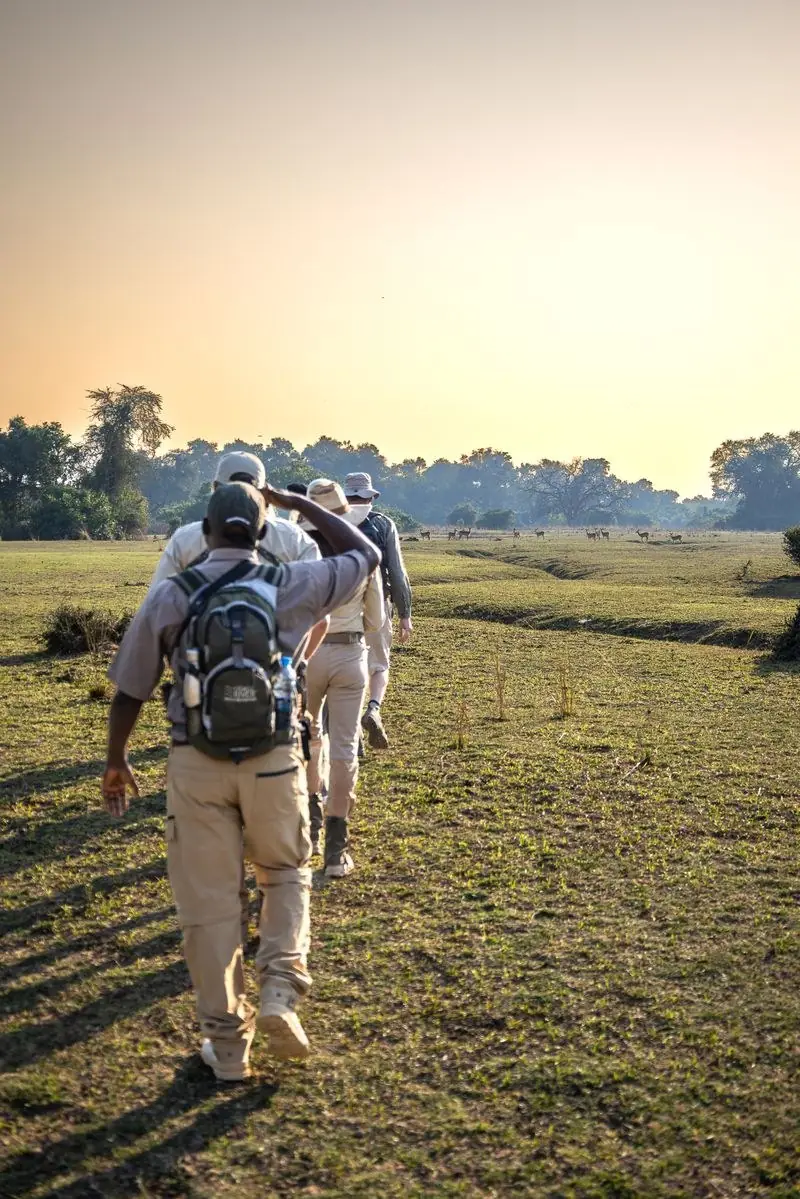 Photo: Chibembe Wildlife Reserve
1. You are actually in it
On a game drive you watch Africa through a frame. On foot there is no frame. The ground is under your boots, the sky is all around you, and the animals share the same space you do. It is the difference between watching a game and playing in it.
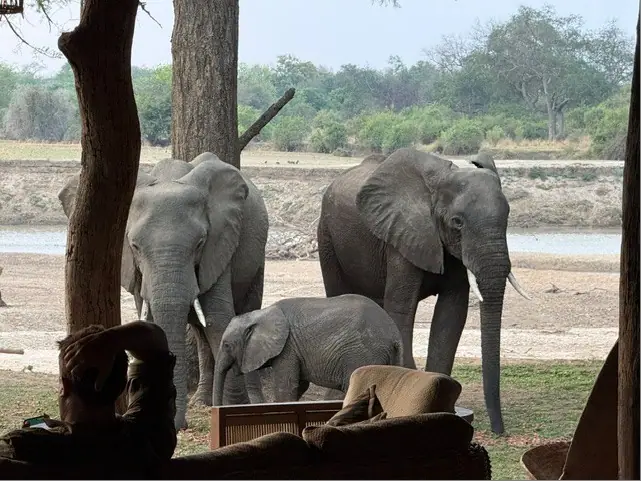 Photo: Chibembe Wildlife Reserve
2. An elephant looks different from the ground
Everyone has seen an elephant. Very few people have stood quietly on foot, with a guide and a scout, and watched one feed a short distance away. From eye level, an elephant is not big. It is enormous. You will remember it for the rest of your life.
3. You become a tracker
Within a day or two you start reading the ground: the round print of an elephant, the four toes of a lion, the tiny lines a beetle leaves in the sand, the neat strip of cropped grass where a hippo grazed in the night, its whisker marks still pressed into the stubble. Your guide shows you how to tell which way an animal went and roughly when. Then you start spotting things before anyone points them out. It is a little like learning to read.
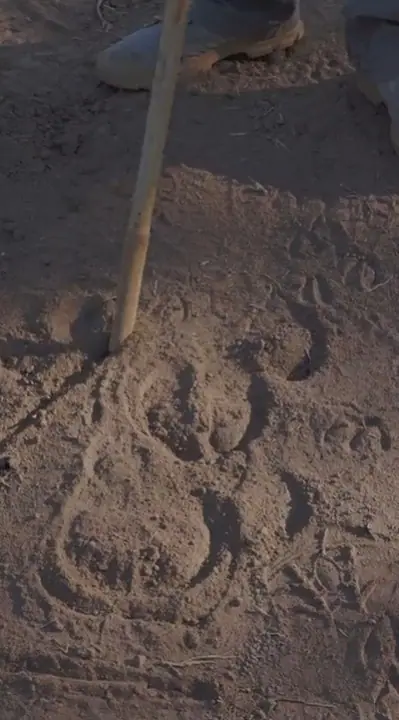 Photo: The Bushcamp Company
4. The bush has a soundtrack
Without an engine, you hear everything: francolins at dawn, the ringing, unforgettable call of a fish eagle over the river, the alarm bark of a baboon, the far-off grunt of a hippo, and the sudden hush when something big is close. Guides read these sounds the way you read street signs [3].
5. The small stuff is amazing
A dung beetle rolling a ball twice its size. An antlion's trap in the sand. A termite mound that took decades to build. A lion's footprint in the riverbed from last night. You would drive straight past all of it. On foot, it is half the fun.
And your guide will explain the small things behind the big ones. Watch a giraffe feeding on an acacia and you will often see it working into the wind. When browsed, acacias pump bitter tannins into their leaves and can release a gas that warns trees downwind to do the same. By feeding upwind, the giraffe keeps reaching trees that have not yet had the warning.
6. Your heart rate goes up, in a good way
There is a quiet thrill to walking in country where the animals are wild and free to move. Your guide and scout keep the group safe, so you get the excitement without the danger. That edge is part of why every sense switches on.
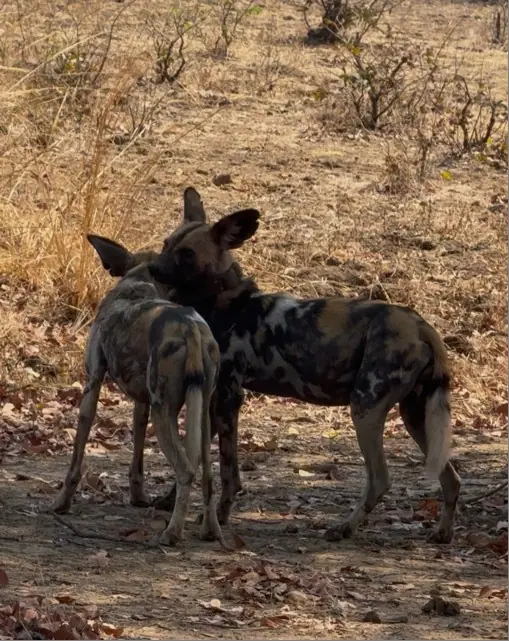 Photo: Chibembe Wildlife Reserve
7. It is the original safari
Walking safaris began in Zambia's Luangwa Valley. In 1961 conservationist Norman Carr launched his Wilderness Trails there: guests crossed the Luangwa River at Chibembe and walked to Lion Camp [2]. Taking a walk in South Luangwa today means following a tradition more than sixty years old, in the same valley.
And the tradition is older still. Long before Carr, the first explorers crossed this country on foot. David Livingstone walked through the Luangwa Valley in 1866, crossing the river just north of where Chibembe stands today [5]. A walking safari is the closest you can come to what they felt: wild country all around you, with no vehicle and no walls, and great herds of animals moving through landscapes that have barely changed since.
8. Nobody else is there
A walking group is tiny, usually six to eight people at most. There is no line of vehicles at a sighting and no engines idling. When you find something special, you have it to yourselves.
9. Breakfast tastes better after a walk
A morning walk usually stops for tea and something to eat, often in the shade of a tree or on a riverbank. Then it is back to camp for brunch by late morning. Few meals in life feel as well earned.
10. It makes a great story
People back home have heard about the lion seen from the truck. They have not heard about the morning you followed fresh elephant tracks along a dry river, or the buffalo herd you watched from behind a fallen tree. Walking stories are the ones people lean in for.
Ask anyone who has been on a true walking safari. More often than not, the walk is the part they talk about first, and the highlight of a trip they will never forget.
Where to try it
You can take a walk in many African parks, but the experience is best where walking is a core activity, not an add-on. South Luangwa has the most walking-led camps of any park we track [4], Mana Pools has some of the most beautiful walking ground in Africa, and Kruger's wilderness trails offer the chance to track rhino on foot. For a first walking safari, a Walking Camp is the easiest way in: walk in the morning, drive in the afternoon, and finish the day with a sundowner.
Publisher's note. WalkingSafaris.com is published by The Safari Heritage Collection, custodians of Chibembe and owners of Lion Camp and The Bushcamp Company. Some of our camps appear in this article, and they are assessed on exactly the same published criteria as every other camp in Africa. Who we are
Sources
- Kafunta Safaris, Walking safari Zambia: what to know — https://kafuntasafaris.com/walking-safari-zambia-what-to-know/
- Chibembe Wildlife Reserve, The Birth Certificate of the Walking Safari (1961 Lion Camp lease record) — https://www.chibembewildlifereserve.com/post/the-birth-certificate-of-the-walking-safari
- Londolozi Blog, Walking on the wild side (February 2025) — https://blog.londolozi.com/2025/02/27/walking-on-the-wild-side/
- walkingsafaris.com camp directory (October 2026), compiled from operator websites and Expert Africa's South Luangwa listings — https://www.expertafrica.com/zambia/south-luangwa-national-park
- Chibembe Wildlife Reserve, History — https://www.chibembewildlifereserve.com/history
Spotted an error? Tell us. How we classify camps: our methodology.